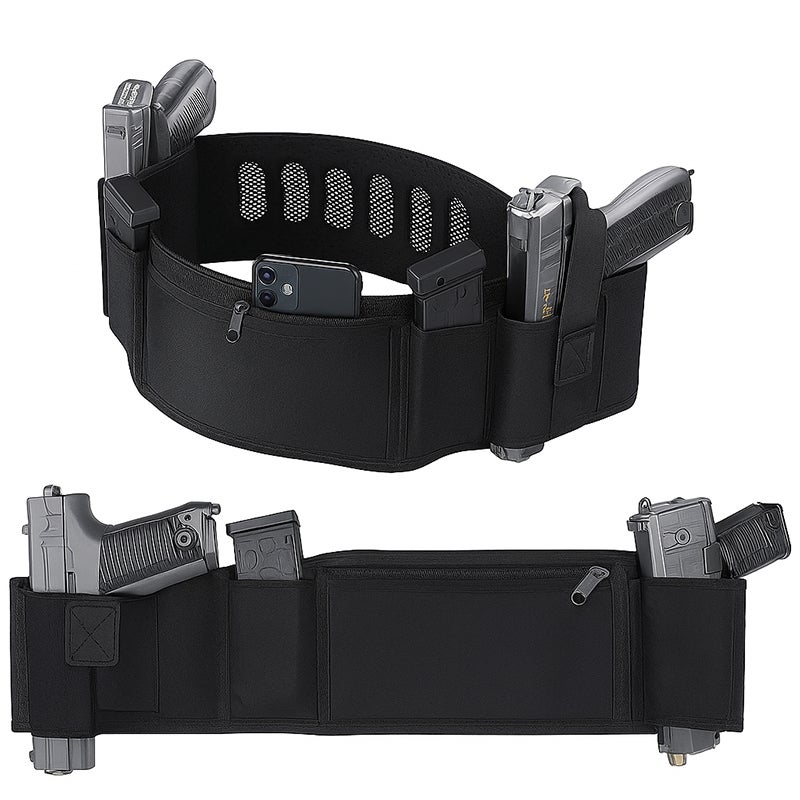
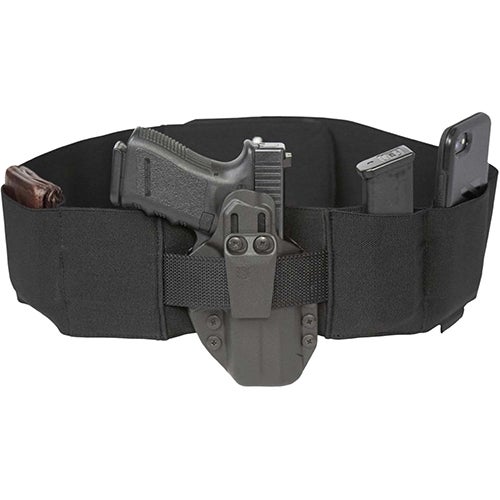
The Problem No One in the Industry Talks About
Here's something most carriers don't say out loud: the average American spends the better part of their waking hours seated. Driving to work. At a desk. In meetings. In the truck running errands.
Yet walk into any gun store, browse any holster website, and you'll find product after product engineered around one scenario: standing upright at a range. The result is predictable. Holsters shift when you sit. They dig into your stomach when you drive. The retention that felt secure standing up becomes sloppy the moment you lean forward to grab something off a desk.
In law enforcement, this is a retention failure under stress. In civilian carry, most people just quietly stop wearing their holster — or worse, keep wearing it and assume the discomfort is normal.
It isn't. The discomfort is a design flaw. And one holster on this list was built specifically to fix it.

12-hour drive. Same holster position at the end of the shift as the beginning.
🔍 What We Learned After 90 Days
- Most belly bands degrade within 60 days of daily use — Velcro weakens, elastic stretches, retention softens
- Seated carry is where almost every option fails — they shift, rotate, or press uncomfortably against the gut
- Lumbar load distribution is rare in this category — most options offer no meaningful back support
- Printing while seated or leaning forward is the #1 complaint across testers
What We Actually Tested For
Before the rankings, a word on scoring. Every holster was evaluated on six criteria that reflect real-world carry — not range performance:
- All-Day Comfort — 8+ consecutive hours of wear, mixed activity
- Seated Carry Performance — 2-hour drive simulation, office desk posture
- Draw Access & Consistency — draws from standing, seated, and reclined positions
- Lumbar Load Distribution — back fatigue assessment over extended wear
- Long-Term Retention — Velcro and elastic integrity after 60 days
- Concealment Under Clothing — printing assessment in business casual and casual dress
Scores reflect the consensus rating of our 12-person test panel — which included men and women, varying body types, and carriers with experience levels ranging from first-time buyers to 15-year veterans.